Creating a home office that feels cozy while also supporting productivity can significantly enhance your work-from-home experience. With many people spending more time working remotely, having a dedicated space optimized for comfort and focus is essential. In this post, we’ll explore practical tips to help you design a home office that meets both your needs for coziness and efficiency.
Why a Cozy and Productive Home Office Matters
A well-designed workspace can do wonders for your motivation and concentration. When your home office is inviting and comfortable, you’re more likely to enjoy your work routine. Productivity improves naturally when distractions are minimized and the environment supports creativity and focus.
Balancing coziness and functionality involves thoughtful choices in lighting, furniture, layout, and organization. Let’s explore the key factors that contribute to this balance.
Choose the Right Location
Consider Natural Light
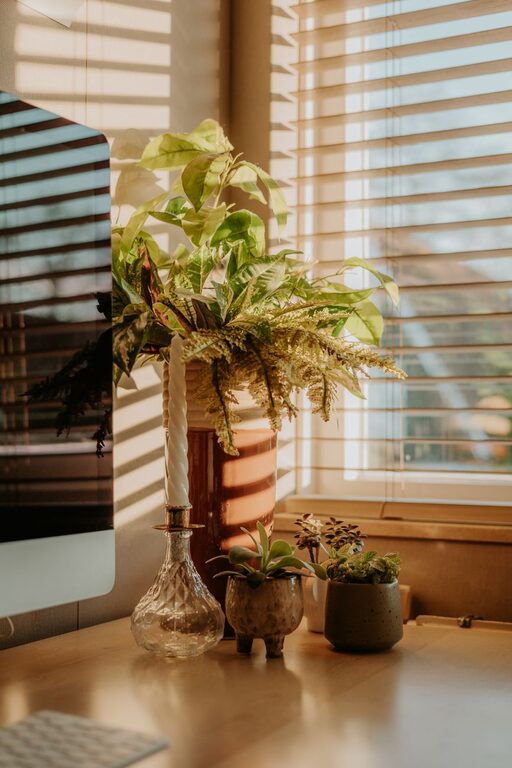
If possible, select a room or corner with plenty of natural light. Sunlight not only elevates mood but also reduces eye strain. Position your desk near a window to benefit from daylight without glare on your screen.
Minimize Noise and Distractions
Try to pick a quiet area that’s away from noisy household activities. Using a room with a door can help create a separation from the rest of your home. If that isn’t possible, noise-canceling headphones or sound-absorbing panels might help.
Invest in Comfortable and Functional Furniture
Ergonomic Chair and Desk
Comfortable seating is crucial for long work hours. Choose an ergonomic chair that supports good posture. Adjustable desks, including standing desks or convertible options, promote movement throughout the day, which boosts comfort and health.
Desk Size and Storage
Ensure your desk has enough space for your computer, paperwork, and any tools you regularly use. Consider desks with drawers or add organizers to keep essential items within reach but off the main work surface.
Optimize Lighting
Layer Your Lighting
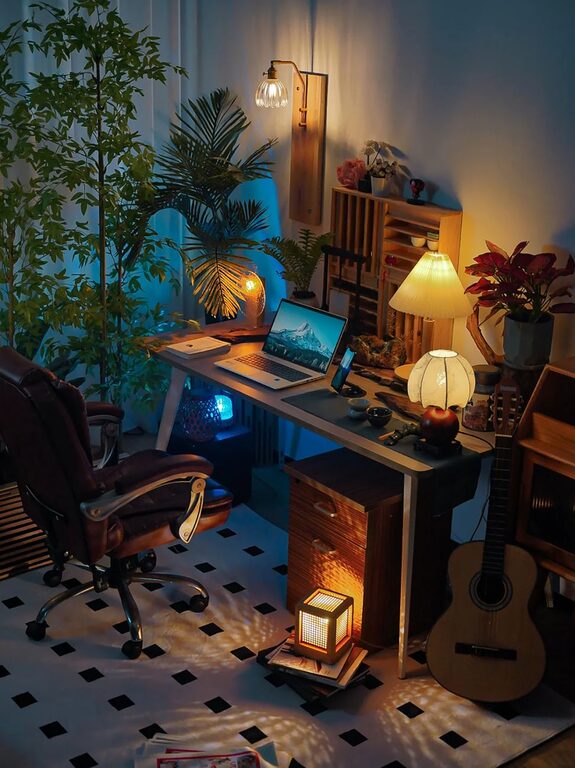
Use a mix of ambient, task, and accent lighting to create a versatile environment. Overhead lighting keeps the room well-lit overall, desk lamps offer focused light for reading or detail work, and softer lights like floor lamps add warmth.
Choose the Right Bulbs
Opt for bulbs that mimic natural daylight, ideally in the 4000K to 5000K range. This lighting reduces eye strain and helps maintain alertness.
Personalize Your Space Thoughtfully
Add Comfort Elements
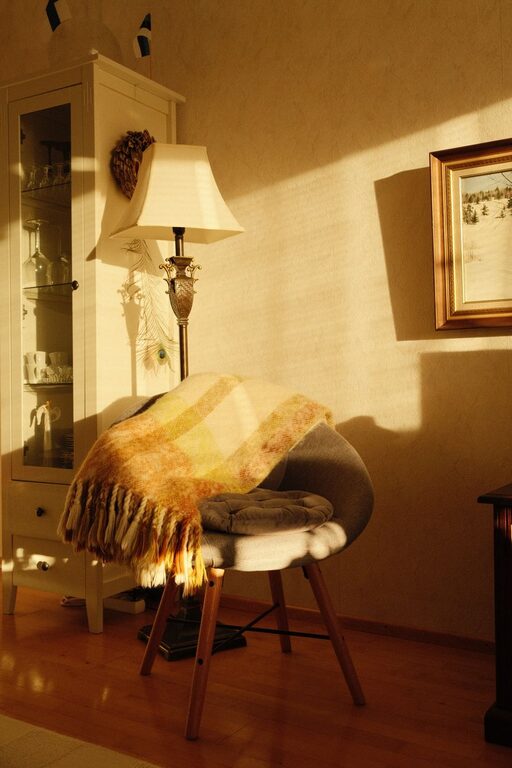
Include soft textiles like cushions or a cozy throw to make your space inviting. A comfortable rug can add warmth and reduce noise.
Incorporate Plants
Indoor plants enhance air quality and provide a calming effect. Easy-care plants like succulents or pothos require minimal maintenance and brighten up any workspace.
Display Meaningful Items
Personal touches like photos, artwork, or inspirational quotes can boost mood and motivation without cluttering the space.
Stay Organized to Reduce Stress
Declutter Regularly
A tidy workspace helps keep your mind clear. Set aside time each week to declutter your desk and organize papers.
Use Storage Solutions
Shelves, filing cabinets, and containers help keep items organized and out of sight. Digital organization for files and emails complements physical tidiness.
Create a Routine-Friendly Setup
Define Your Workspace Boundaries
Having a specific place dedicated to work helps your brain transition into “work mode.” Keep work materials separate from your living areas to maintain balance.
Incorporate Break Zones Nearby
If space allows, designate an area close by for stretching or relaxation. Taking regular breaks improves productivity and prevents burnout.
Manage Technology Efficiently
Invest in Quality Equipment
Reliable internet, a good-quality monitor, keyboard, and headset enhance your ability to work seamlessly.
Cable Management
Use cable organizers or clips to keep cords neat and avoid tangling.
Maintain Good Air Quality and Temperature
Good ventilation and comfortable room temperature contribute to alertness and comfort. Consider a small fan, air purifier, or humidifier depending on your home environment.
Final Thoughts
Creating a cozy and productive home office is all about balance: comfort should support your focus, and functionality should not sacrifice warmth. With a thoughtful approach to location, furniture, lighting, personalization, and organization, you can design a space that makes work feel more enjoyable and efficient.
Start with these tips, and remember that your home office should evolve with your needs over time. Small adjustments can make a big difference in sustaining motivation and well-being during your workday.
About the Author