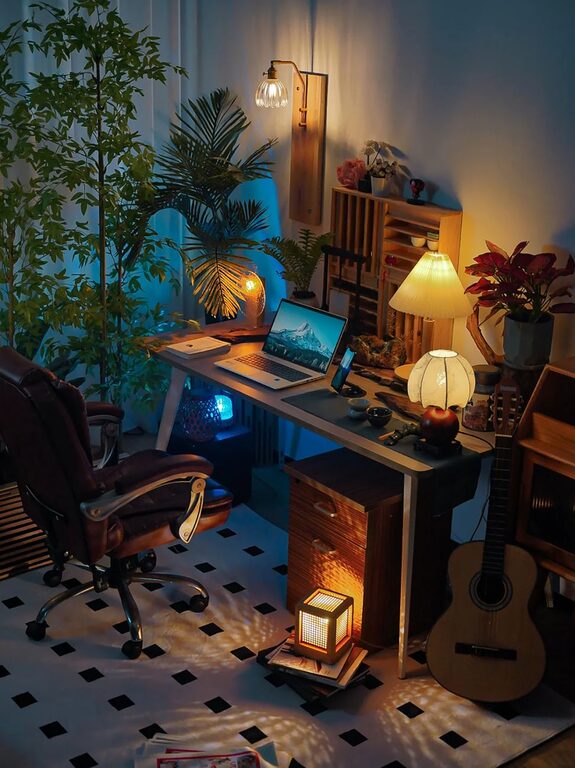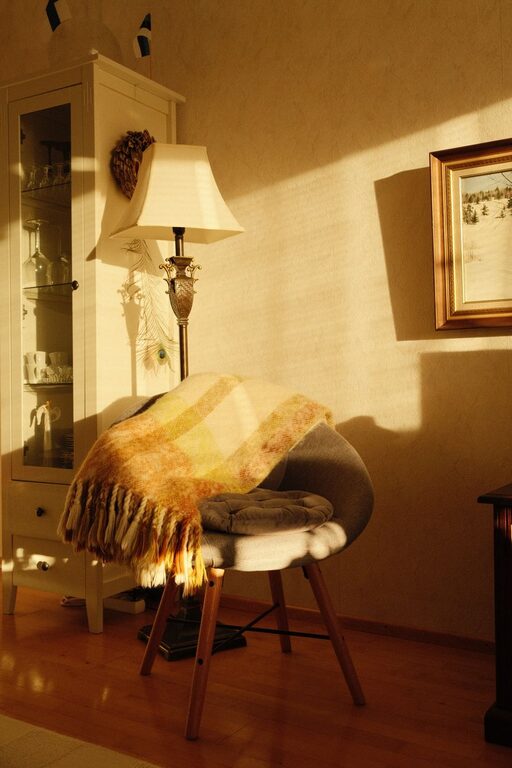
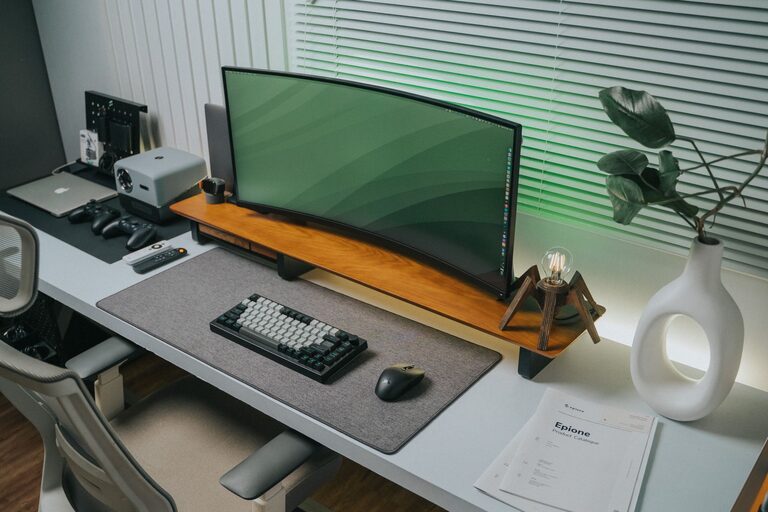
Creating a well-organized and productive home workspace is essential for anyone working remotely or managing tasks from home. A thoughtfully arranged space can help you focus better, reduce stress, and improve your overall efficiency. Whether you’re outfitting a dedicated home office or carving out a spot in a shared room, these tips will guide you toward an environment that supports your work goals.
Choose the Right Location
Selecting the right spot for your workspace is the foundation for productivity. Ideally, find a quiet area with minimal foot traffic and distractions. If possible, choose a room with plenty of natural light to boost your mood and energy levels. Avoid spaces that you associate with relaxation, such as your bed or couch, as these can make it harder to maintain focus.
If space is limited, consider corners or unused nooks that can be converted into a functional workspace with the right furniture and organization.
Invest in Comfortable and Functional Furniture
Your desk and chair directly affect your comfort and ability to work efficiently. Aim for an ergonomic chair that supports your posture and a desk at the right height to prevent strain.
If you spend hours at your computer, an adjustable chair with good lumbar support is worth the investment. Adjustable desks are also popular options, allowing you to alternate between sitting and standing throughout the day.
Keep Your Workspace Clutter-Free
Clutter can cause unnecessary distractions and make it harder to concentrate. Regularly declutter your desk, removing anything that isn’t related to your current tasks. Use organizers such as trays, drawers, and file holders to store supplies neatly.
Adopt the habit of tidying your workspace at the end of each day. This small step helps create a fresh start every morning and reduces stress.
Organize Your Tools and Supplies
Having everything you need within reach streamlines your workflow. Use storage solutions like shelves, drawers, and desk organizers to keep essential tools handy but out of sight.
Labeling drawers or boxes can save time searching for items. Consider under-desk storage or wall-mounted organizers to maximize space if your area is limited.
Manage Cables and Technology Efficiently
Tangled cables can make even the most organized workspace look messy and create hazards. Use cable organizers, clips, or sleeves to keep cords neat and prevent them from getting in your way.
Ensure your technology setup supports your work needs. A good monitor at eye level, a reliable keyboard and mouse, and a high-speed internet connection all contribute to a smoother workday.
Personalize Your Space Thoughtfully
Adding personal touches to your workspace can make it more inviting and motivating. Consider adding plants, artwork, or photos that inspire you.
However, be mindful not to overdecorate. Too many items can become distractions, so keep your decor simple and meaningful.
Establish Boundaries and a Routine
An organized workspace is only part of the equation. Setting clear boundaries around your work time and space helps maintain productivity.
Communicate with household members about your work hours to minimize interruptions. Establish routines such as starting work at the same time daily and taking scheduled breaks to maintain balance and focus.
Optimize Lighting
Good lighting reduces eye strain and helps maintain alertness. If natural light is insufficient, invest in a quality desk lamp that emits bright, adjustable light.
Position lights to avoid glare on your computer screen and shadows on your work surface.
Incorporate Organizational Tools and Apps
Digital organization complements physical tidiness. Use calendar apps, task managers, and note-taking tools to keep track of deadlines, meetings, and to-dos.
Organize digital files consistently with folders and clear naming conventions, making it easy to find documents when needed.
Keep Your Workspace Clean
In addition to managing clutter, make cleaning your workspace a regular habit. Wipe down surfaces, clean your keyboard and mouse, and dust shelves and electronics regularly.
A clean environment not only looks better but also helps maintain your equipment and promotes well-being.
—
Creating an organized and productive home workspace doesn’t require a major overhaul. By making thoughtful choices in location, furniture, organization, and maintenance, you can design a space that supports your focus and motivation each day. Start with small changes and adjust as you discover what works best for your unique needs and routine.
About the Author