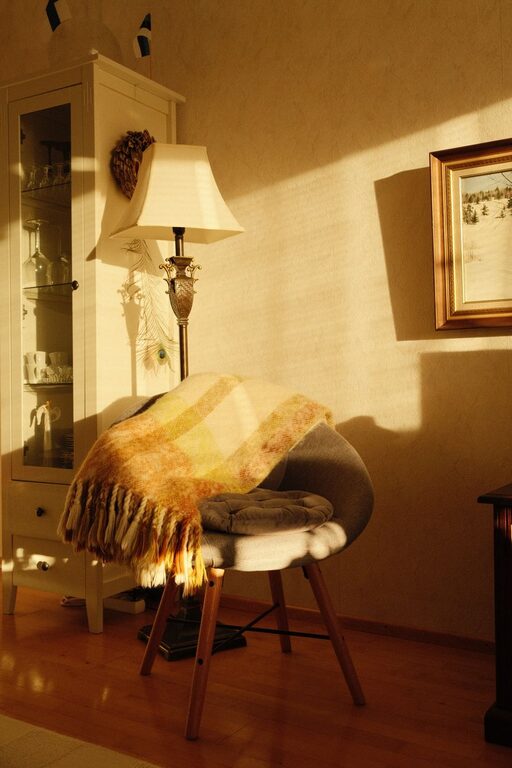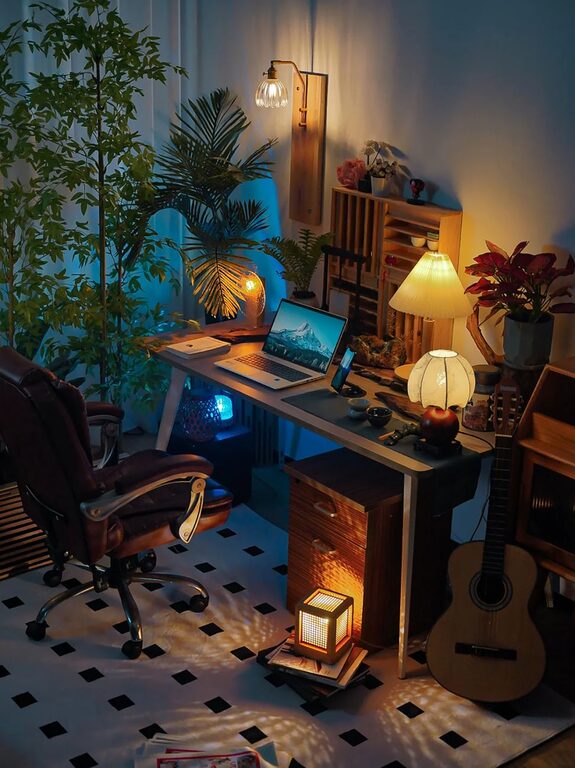
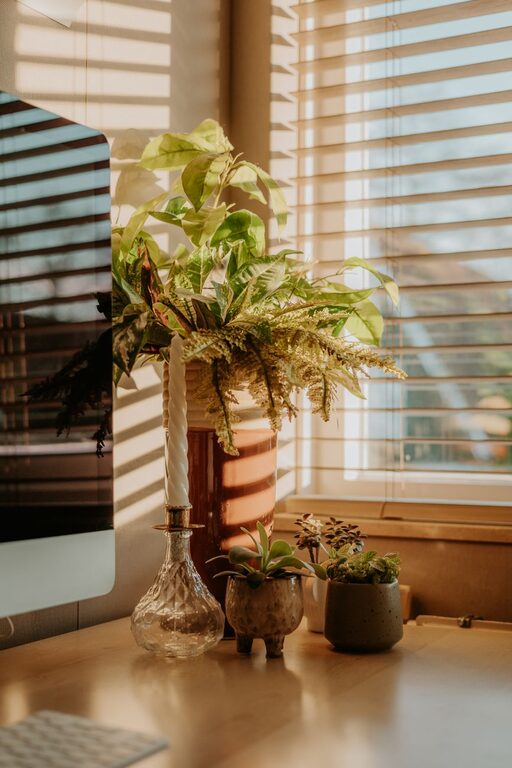
Creating a relaxing home office environment is essential for maintaining focus, reducing stress, and boosting productivity. Whether you work remotely full-time or occasionally tackle tasks from home, the space where you work can greatly influence your performance and well-being. In this post, we’ll explore practical tips to help you design a calm and inviting home office that supports your work and keeps you comfortable throughout the day.
Why a Relaxing Home Office Matters
A cluttered or uninspiring workspace can make it difficult to concentrate and may increase feelings of stress. On the other hand, a thoughtfully arranged and soothing home office helps you stay organized, feel refreshed, and approach your tasks with a clearer mind. Taking time to create a pleasant work environment is an investment in your overall productivity and mental health.
Choosing the Right Location
Find a Quiet Spot
The first step is selecting a part of your home that allows for minimal distractions. If possible, choose a room with a door to separate work from personal life. If a separate room isn’t available, look for a corner or nook that can be dedicated to your work.
Consider Natural Light
Natural light is proven to improve mood and energy levels. Try to set up your desk near a window where you can enjoy daylight without glare on your computer screen. If natural light is limited, invest in quality lighting that mimics daylight.
Declutter and Organize
Keep Essentials Handy
Limit your desk supplies to what you regularly use. Pens, notepads, and your computer should be easy to reach, while other items can be stored in drawers or shelves. This keeps your workspace neat and distraction-free.
Use Storage Solutions
Incorporate shelves, filing cabinets, or storage boxes to keep paperwork and office supplies organized. Label your storage to quickly find what you need, reducing time wasted searching for items.
Select Comfortable Furniture
Invest in an Ergonomic Chair
A good chair supports your posture and can prevent discomfort during long work hours. Look for adjustable chairs with lumbar support to customize fit for your body.
Choose a Spacious Desk
Ensure your desk provides enough surface area for your computer, documents, and a few personal touches like plants or photos. A cluttered desk can contribute to a cluttered mind.
Add Calming Colors and Decor
Opt for Soothing Colors
Colors affect mood and concentration. Soft blues, greens, or neutrals are popular choices for creating a calm atmosphere. Avoid overly bright or distracting colors near your workspace.
Personalize Your Space
Add elements that bring you joy, such as framed artwork, inspirational quotes, or family photos. Just be mindful not to overcrowd your space.
Incorporate Plants
Indoor plants improve air quality and add a touch of nature to your office. Plants like succulents, pothos, or spider plants are low-maintenance and brighten the area.
Create a Relaxing Ambiance
Control Noise Levels
If noise is an issue, try using noise-canceling headphones or a white noise machine. Some people also find soft background music helps them focus.
Use Aromatherapy
Lightly scented candles or essential oil diffusers can create a calming atmosphere. Choose mild scents like lavender or eucalyptus to avoid overwhelming your senses.
Maintain Air Quality and Temperature
Proper ventilation and a comfortable room temperature contribute to your ability to concentrate. Open windows when possible or use fans and heaters to regulate the environment.
Establish Daily Routines and Boundaries
Designate Work Hours
Set clear start and end times for your workday to help balance productivity and relaxation. Avoid the temptation to work late into the evening.
Take Short Breaks
Regular breaks allow your mind to reset. Step away from your desk, stretch, or take a brief walk to recharge.
Disconnect After Work
When your day is done, close your laptop and leave your workspace to mentally separate work from your personal life.
Utilize Technology Wisely
Manage Notifications
Turn off non-essential notifications to minimize distractions. Use tools or apps that help block distracting websites during work hours.
Keep Cables Organized
Use cable organizers or clips to keep wires neat and prevent a tangled mess near your desk.
Final Thoughts
Creating a relaxing home office environment doesn’t require a major renovation or expensive purchases. By paying attention to your workspace’s layout, organization, lighting, and atmosphere, you can cultivate a place that supports your productivity while helping you feel calm and focused. Whether you have a dedicated room or just a small corner, these tips can make your home office a more inviting and efficient place to work.
Start with small changes and gradually add elements that make your space uniquely comfortable. You’ll likely notice that a relaxing workspace promotes better work habits and sets a positive tone for your day.
About the Author